

Hot Induction Bends
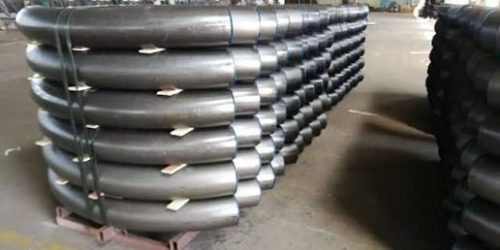
Our Pipe Fittings Range
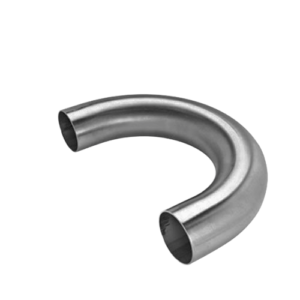
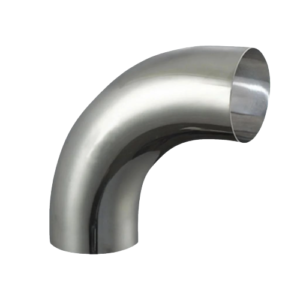
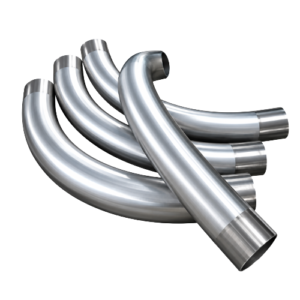
- Long Radius Induction Bends
- Shorter Radius / Application-Specific Bends
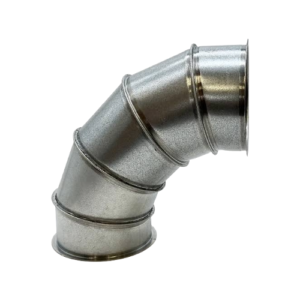
- Segmented Bend Configurations
- Custom Induction Bends
Materials Available
- Carbon Steel
- Stainless Steel
- Low-Alloy / Alloy Steel
- Duplex & Super Duplex Stainless Steel
- Other suitable alloy grades, where applicable
Manufacturing Process – Hot Induction Bending
Key Product Features
- Smooth-radius geometry for directional changes in pipelines
- Suitable for large-diameter and heavy-wall piping applications where specified
- Bend angle and radius can be defined according to project requirements
- Material options for different industrial service conditions
- Controlled forming process for consistent bend geometry
- Inspection and testing requirements can be considered according to applicable specifications
Applications
Hot induction bends are used in pipeline and industrial piping systems across applications such as:
- Oil & Gas Pipelines
- Refineries & Petrochemical Plants
- Power Generation
- Process Piping
- Water Transmission & Infrastructure
- EPC & Engineering Projects
- Industrial Plant Piping
- Onshore & Offshore Piping Applications, where specified
Why Choose AP Forge Industries for Flanges?
- Project-specific bend configurations
- Material and dimensional options based on requirement
- Attention to bend geometry and dimensional consistency
- Support for technical drawings and specifications
- Suitable for industrial pipeline and process-piping applications
- Inspection and documentation requirements can be discussed for applicable orders
Custom & Project-Specific Requirements
FAQ
Hot induction bends are pipe bends produced by localized induction heating and controlled forming to create a specified bend angle and radius
They can provide smooth-radius directional changes and are commonly considered for pipeline and industrial piping layouts where the required geometry is better suited to a formed bend.
Depending on the product range and project specification, induction bends may be produced from carbon steel, stainless steel, alloy steel, duplex stainless steel and other suitable grades
Typical details include pipe outside diameter, wall thickness, material grade, bend angle, centerline radius, tangent length, end preparation, quantity and applicable standard
Yes. They are commonly used in pipeline and industrial piping systems, including oil and gas and related infrastructure, when specified by the piping design
Project-specific angles, radii, dimensions, materials and inspection requirements can be reviewed based on customer drawings and technical specifications